
3 Key Considerations for Upgrading to Energy-Efficient Windows
Upgrading your home's windows is a crucial step toward enhancing overall energy efficiency. By implementing such improvements, homeowners can significantly reduce their energy consumption, resulting in substantial cost savings on utility bills. Beyond the tangible benefits of energy savings, upgrading these installations can also boost home comfort by minimizing drafts and improving temperature regulation. Additionally, the enhancement of windows can notably increase a property's value, making it an appealing investment. Modern elements of design, combined with efficient energy use, merge to enhance the aesthetic and functional comfort of any home.
1. Assessing the Current Condition of Your Windows
Conducting an Energy Audit
Conducting an energy audit with the help of a window installation contractor is essential in identifying inefficiencies in your current windows and window frames. Simple assessments can be performed using tools like thermal cameras to detect drafts and heat loss. However, enlisting a professional service can provide a more comprehensive evaluation. These audits can pinpoint areas where energy efficiency is compromised, setting the stage for strategic upgrades. An investment in thorough energy audits pays off by guiding effective decision-making in home improvements.
Identifying Signs of Wear and Tear
Signs of wear and tear in windows or their frames often serve as indicators for necessary upgrades. Common signs include visible cracks, rot, warping, and difficulties in opening or closing. These issues can significantly impair the insulation and general functionality of the installations. Delaying necessary repairs or replacements can escalate the damage, making future fixes more costly. Regular checks ensure that such wear and tear is addressed promptly, maintaining both efficiency and safety.
Measuring Performance With Technology
Advanced technologies are now available to measure the performance efficacy of windows. Infrared scanning, for instance, can provide insights into areas where heat may be escaping. Similarly, tests can be conducted by a window installation contractor to measure the air tightness of your installations, highlighting inefficiencies. Integrating these technological assessments provides a comprehensive understanding of current performance. With this data, homeowners can make informed choices about necessary upgrades.
Understanding Energy Ratings
Energy ratings serve as a valuable tool in assessing the efficiency of windows. Ratings often account for factors such as heat transmission, resistance to condensation, and overall thermal performance. By comparing ratings, homeowners can choose installations that best meet their energy-saving goals. High energy ratings are particularly beneficial in recouping a significant percentage of project costs in home value. Thus, understanding and utilizing energy ratings is pivotal in the decision-making process.
Calculating Potential Savings
Calculating potential savings involves estimating future energy costs and comparing them with pre-upgrade expenses. Taking into account the efficiency enhancements, homeowners can often expect substantial reductions in heating and cooling bills. In fact, according to Modernize, installing energy-efficient windows can help you recoup as much as 73% of the project cost in added home value. These savings contribute not only to the immediate financial relief but also elevate the home's market value. Estimating these savings in advance can provide motivation and justification for the undertaking of such upgrades.
2. Selecting the Right Materials
Comparing Different Frame Materials
Frame materials such as wood, vinyl, and aluminum play a crucial role in the energy efficiency of windows. Wooden frames offer excellent insulation but require regular maintenance to prevent decay. Vinyl, on the other hand, is cost-effective and provides good insulation with minimal upkeep. Aluminum frames are durable but often require additional thermal treatment to offset possible heat conduction. Each material offers unique advantages and selecting the proper one depends on balancing factors such as budget, maintenance willingness, and desired efficiency outcomes.
Understanding the Role of Glass in Efficiency
Glass options are another pivotal element in enhancing the efficiency of windows. Double glazing, for example, utilizes air gaps between panes to improve insulation and soundproofing. Low-E coatings further increase efficiency by reflecting infrared light, thus reducing heat transfer in and out of a home. Choices such as these directly influence the efficiency of a home’s windows. Consequently, careful consideration and selection of glass types are integral to optimizing energy use and comfort.
Considering Insulation and Thermal Break Options
Insulation and thermal breaks are crucial in maintaining the integrity of energy-efficient windows. A window installation contractor who prioritizes superior insulation can help to maintain indoor temperatures, thereby reducing the need for constant heating or cooling. Thermal breaks, often used in metal frames, minimize heat the transfer, ensuring that energy is not wasted. Both features significantly enhance the efficiency of windows. Choosing options with superior insulation and thermal breaks can markedly decrease energy consumption, leading to long-term savings.
Weatherproofing Materials
Weatherproofing materials are vital in creating a barrier against heat loss and weather infiltration. Materials like caulks, weather-stripping, and sealants are essential in tightening the installation against drafts and moisture. Effective weatherproofing by a window installation contractor minimizes the entry of external air, which can disrupt temperature control within a home. The reduction of drafts allows heating and cooling systems to operate more efficiently, resulting in reduced energy costs. Investing in quality weatherproofing materials is a critical step toward achieving optimal efficiency.
Weighing Durability and Maintenance Considerations
Material choice impacts the durability and life span of window installations. Durable materials require less frequent replacements, thereby offering long-term cost benefits. Maintenance factors also play a role, as some materials necessitate regular care to maintain their efficiency. Balancing durability with maintenance efforts can lead to sustained high performance and fewer future costs. An informed selection recommended by a window installation contractor can optimize the longevity and effectiveness of the installation.
3. Understanding the Importance of Installation Quality
Choosing Professional Installation Services
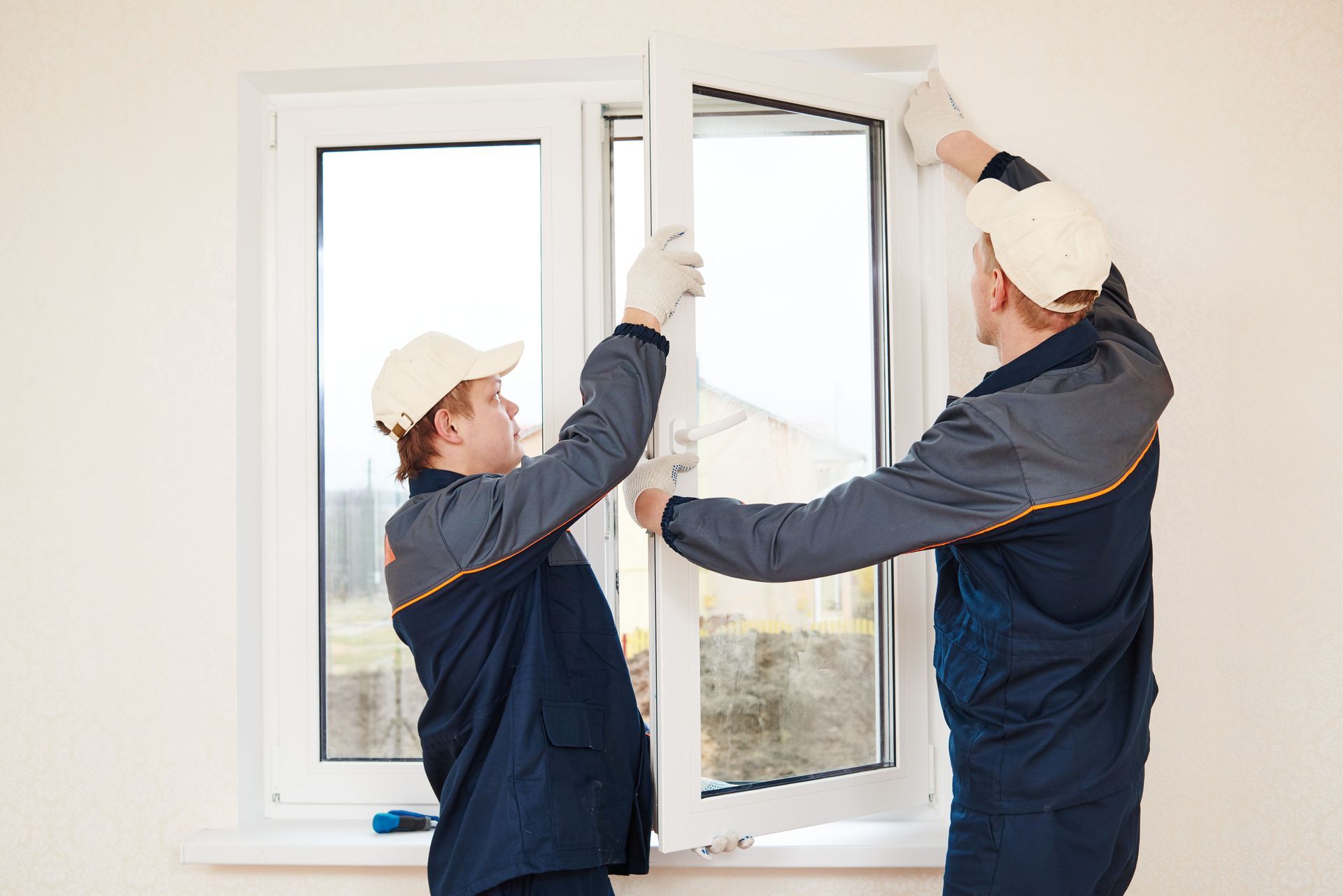
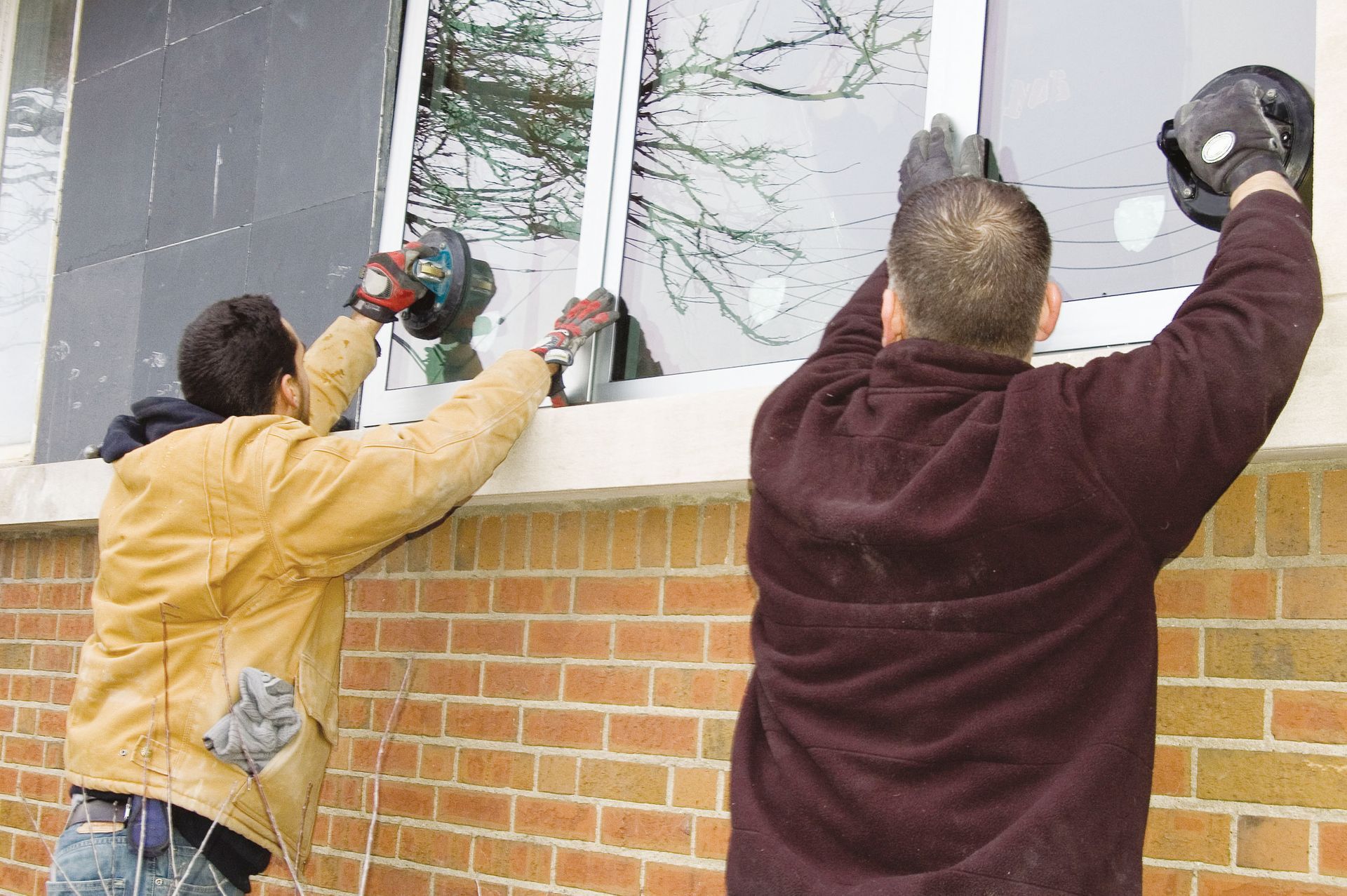
Professional installation services offer vital expertise and experience for window installations. Trained professionals understand the intricacies involved in effectively installing windows and doors to maximize energy efficiency. By opting for professional services, homeowners benefit from warranty protection and peace of mind. Moreover, skilled installers can ensure proper fitting and sealing, which are critical for maintaining energy efficiency. The added cost of professional services is often offset by the assurance of optimal installation.
Employing Installation Techniques That Boost Efficiency
The effectiveness of window installations greatly depends on the employed techniques. Techniques such as proper leveling, alignment, and sealing are essential to ensure an airtight fit. Without these, even the most expensive materials can perform inadequately in energy retention. Installations that fail to adhere to these precision techniques often lead to air leaks, negating the intended energy-saving advantages. Understanding and implementing effective installation methods can significantly enhance overall efficiency.
Avoiding Common Installation Mistakes
Common installation mistakes can severely undermine the efficacy of energy-efficient windows. Gaps or misalignments during installation can lead to air infiltration, reducing energy efficiency. Skimping on proper sealing methods can allow water penetration, leading to damage and drafts over time. Mistakes in measurements and unlevel installations are frequent errors that significantly impact performance. Working with experienced installers can help avoid these costly mistakes, ensuring that your energy-saving efforts yield maximum results.
Prioritizing Post-Installation Testing and Verification
Post-installation testing and verification ensure that windows meet efficiency standards. Pressure tests and thermal scans can confirm the integrity and security of the seals. Verifying these metrics allows a window installation contractor to address potential problems early, enhancing the lifespan and effectiveness of installations. Regular testing post-installation can also track efficiency performance over time, identifying when maintenance or upgrades are needed. As such, incorporating post-installation checks is pivotal in sustaining energy improvements.
Confirming Proper Sealing and Caulking
Proper sealing and caulking are vital to prevent airflow and enhance energy efficiency. Seals should be uniformly applied to avoid any points of air leakage. Quality caulking can protect installations from moisture, preventing frame decay and insulation damage. Over time, even small cracks or gaps can lead to significant energy loss, raising utility costs. Therefore, ensuring comprehensive and correct sealing and caulking provides fundamental protection against energy inefficiencies.
Upgrading to energy-efficient windows presents numerous advantages, including improved home efficiency, reduced energy costs, and enhanced property value. Comprehensive evaluations, superior material selection, and quality work from a window installation contractor are pivotal steps in realizing these benefits. Factoring environmental considerations into upgrade decisions further enriches the sustainability and efficacy of these enhancements. If you're looking to upgrade to energy-efficient windows, be sure to contact Divine Doors & Trim, Inc for your installation!

Share On: