
Door Install 101: What Every Homeowner Should Know
Installing a new door may seem like a straightforward project, but proper planning and execution are essential for long-term performance and security. Whether you’re replacing a worn-out unit, upgrading your home’s curb appeal, or improving energy efficiency, understanding the fundamentals of a door install can make all the difference. Doors serve as both functional barriers and design features, influencing everything from safety and insulation to the overall aesthetic of your home. By learning about door types, materials, measurements, installation techniques, and finishing details, homeowners can approach their project with confidence and avoid costly mistakes.
Select the Right Door Type and Material
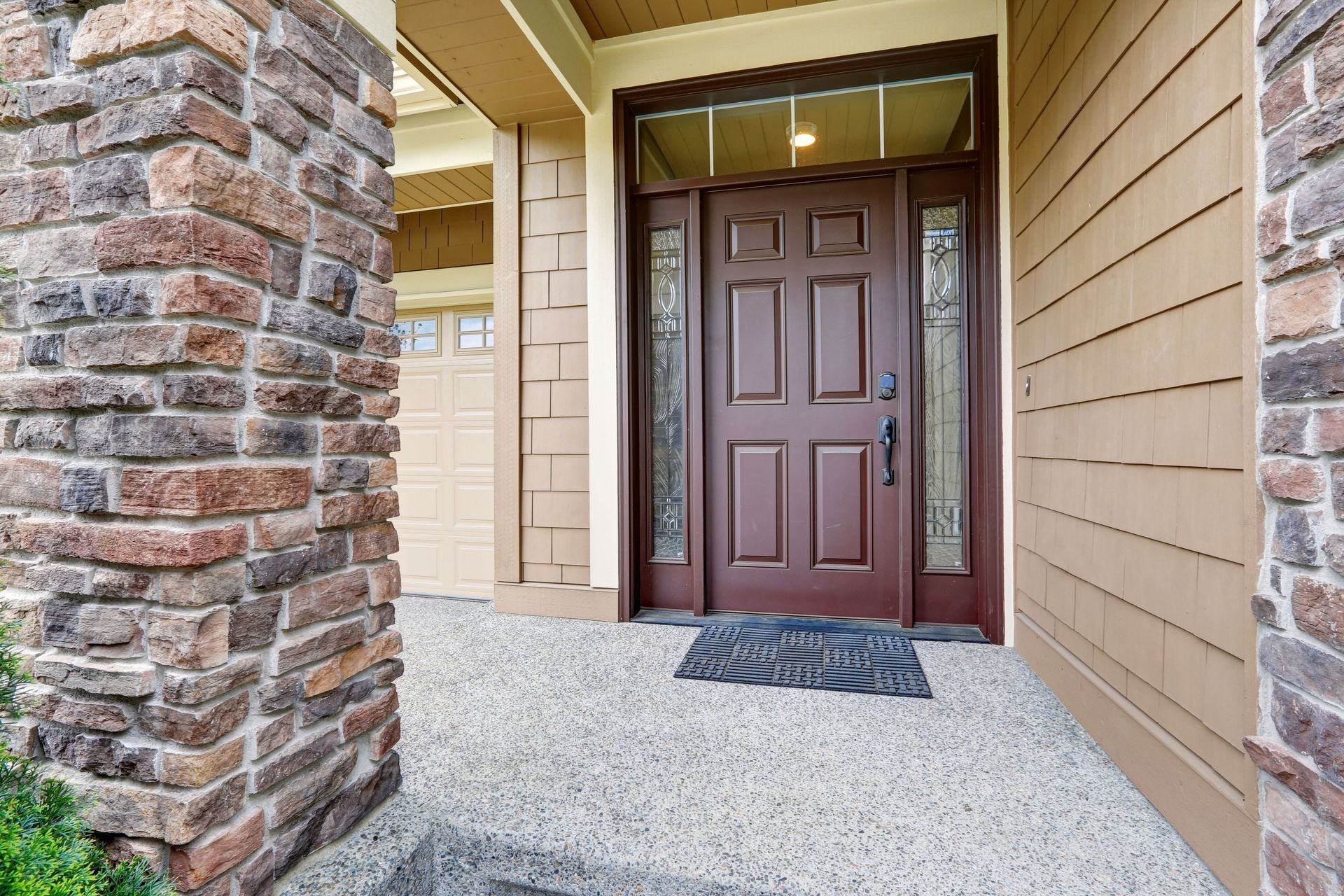
There is an array of door types homeowners can choose from, each serving distinct functions. Entry doors, often featuring robust and secure structures, are essential for maintaining security. Interior doors vary greatly, providing privacy or separating spaces in a home, with options such as panel doors, sliding doors, and French doors. Additionally, exterior patio doors, which can be sliding or hinged, are vital in connecting indoor and outdoor spaces. Each type of door serves a unique purpose and must be selected based on your specific needs.
When selecting door materials, the most common options include wood, fiberglass, and steel. Wooden doors are prized for their beauty and versatility, but require regular maintenance to prevent warping and damage. Fiberglass doors offer durability and require less upkeep, often mimicking the look of wood, but are available at a lower cost. Steel doors provide superior security and energy efficiency, though they may be prone to dents and require finishing. Each material has its pros and cons, making it essential to consider your home's needs and local climate when choosing.
Energy efficiency should also be a major consideration when selecting door materials. Poorly insulated doors can lead to significant energy loss, increasing heating and cooling costs. Fiberglass and steel doors generally provide better insulation, and many models come with energy-efficient core options that help reduce energy bills. Moreover, since nearly 64.8 million window and door units were shipped in the U.S. in 2023, according to Open Up to Performance, the demand for energy-efficient solutions is ever-growing. Matching the door's style to your home design can elevate both aesthetic and market value, ensuring that the chosen door enhances the look and feel of your home.
Measure Accurately for a Perfect Fit
Accurate measurements are crucial for a successful door install. Begin by gathering the necessary tools, which typically include a tape measure, a level, and possibly a framing square. Additionally, a notepad or mobile device is recommended for recording measurements. A precise measurement ensures that your new door fits perfectly within the existing or new frame. By correctly measuring, you avoid the pitfalls of purchasing a door that is either too large or too small for the space.
To measure for a new door, start by measuring the door's width and height. The width is measured at the top, middle, and bottom of the opening to account for any irregularities. For height, measure from the tallest point of the finished floor to the top of the frame. It is important to measure the door's thickness as well, as it can affect the fit and hardware selection. Once you have gathered these measurements, you can purchase a stock door size or consult a supplier for a custom solution if needed.
Understanding rough opening measurements is fundamental for ensuring a proper door install. The rough opening is the space required for the door and frame, which includes allowances for shimming and adjustments. From our experience, the rough opening should be two inches wider and two and a half inches taller than the door itself, to accommodate the jamb and any necessary adjustments during installation. If you are using these measurements for custom doors, be sure to communicate clearly with suppliers to avoid mistakes. Proper measurement helps prevent the common challenge of doors that don't fit correctly, reducing time and material waste.
Prepare the Opening for Proper Installation
Proper preparation is a critical step in ensuring a successful door install. Begin by removing the old door and frame, which typically involves unscrewing hinges and carefully prying out the frame. During this process, it is important to be cautious to avoid damage to the surrounding walls and floor. Removing the old frame often reveals underlying issues, such as rotting or structural damage, that need to be addressed before a new door can be installed. By addressing these issues early, homeowners can avoid more significant problems down the line.
Once the old door and frame have been removed, it is essential to inspect the doorway for any existing damage. Check for signs of water damage, rot, or pests, as these issues can compromise the integrity of the new installation. Addressing these damages often involves repairing or replacing damaged wood, treating surfaces to prevent future damage, and sealing any gaps. Along with this, ensure your installation tools are ready and easy to access. Having a checklist of required tools can help streamline the installation process.
Install and Secure the Door Correctly
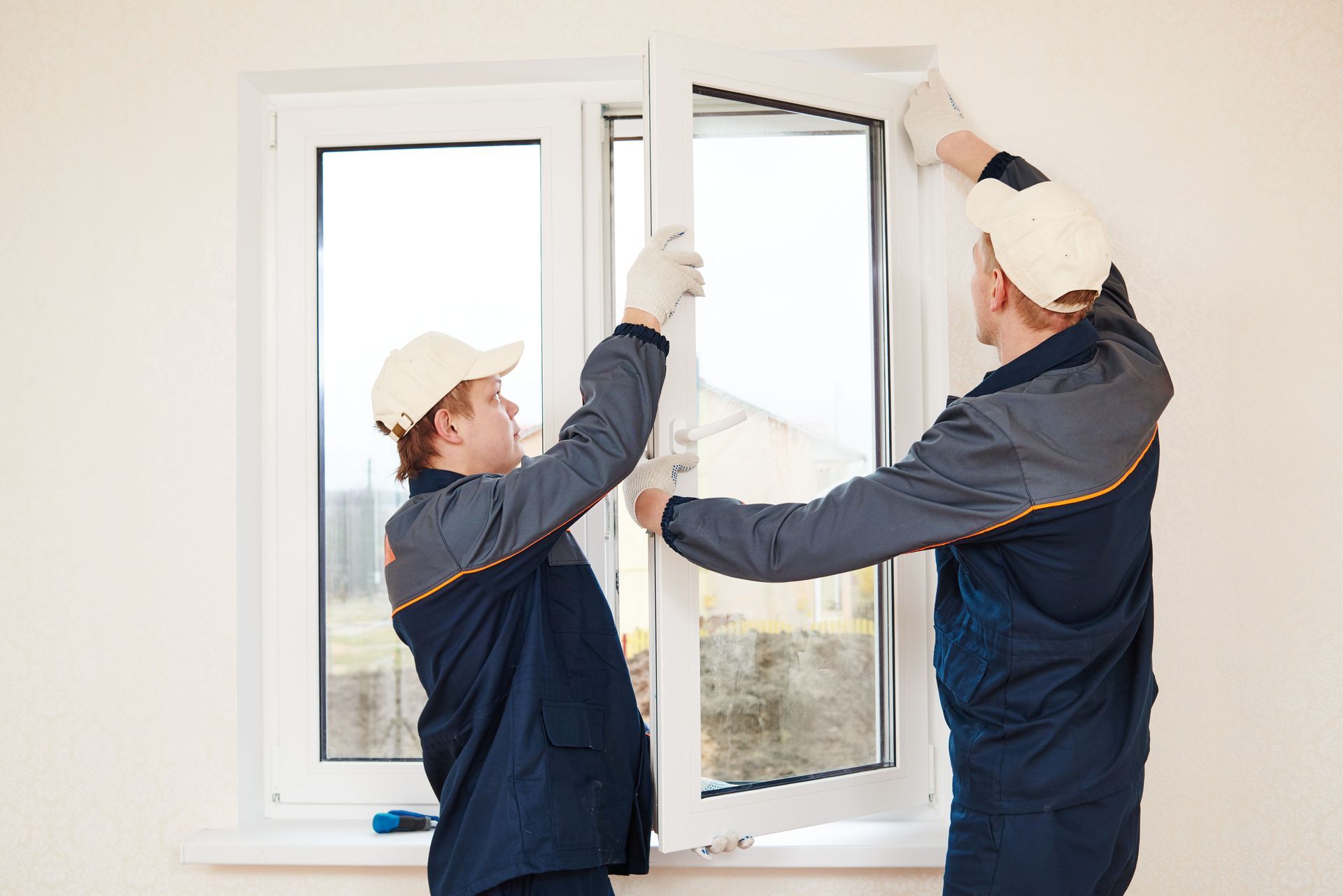
Installing the door correctly is vital for functionality and longevity. Start by positioning the door correctly within the frame. Align the door so that there is an even gap on all sides, which ensures smooth operation and proper sealing. Use shims to make fine adjustments, wedge them between the doorjamb and the framing until the door is level and plumb. This step is crucial, as an improperly aligned door can lead to excessive wear over time and impact the door's effectiveness.
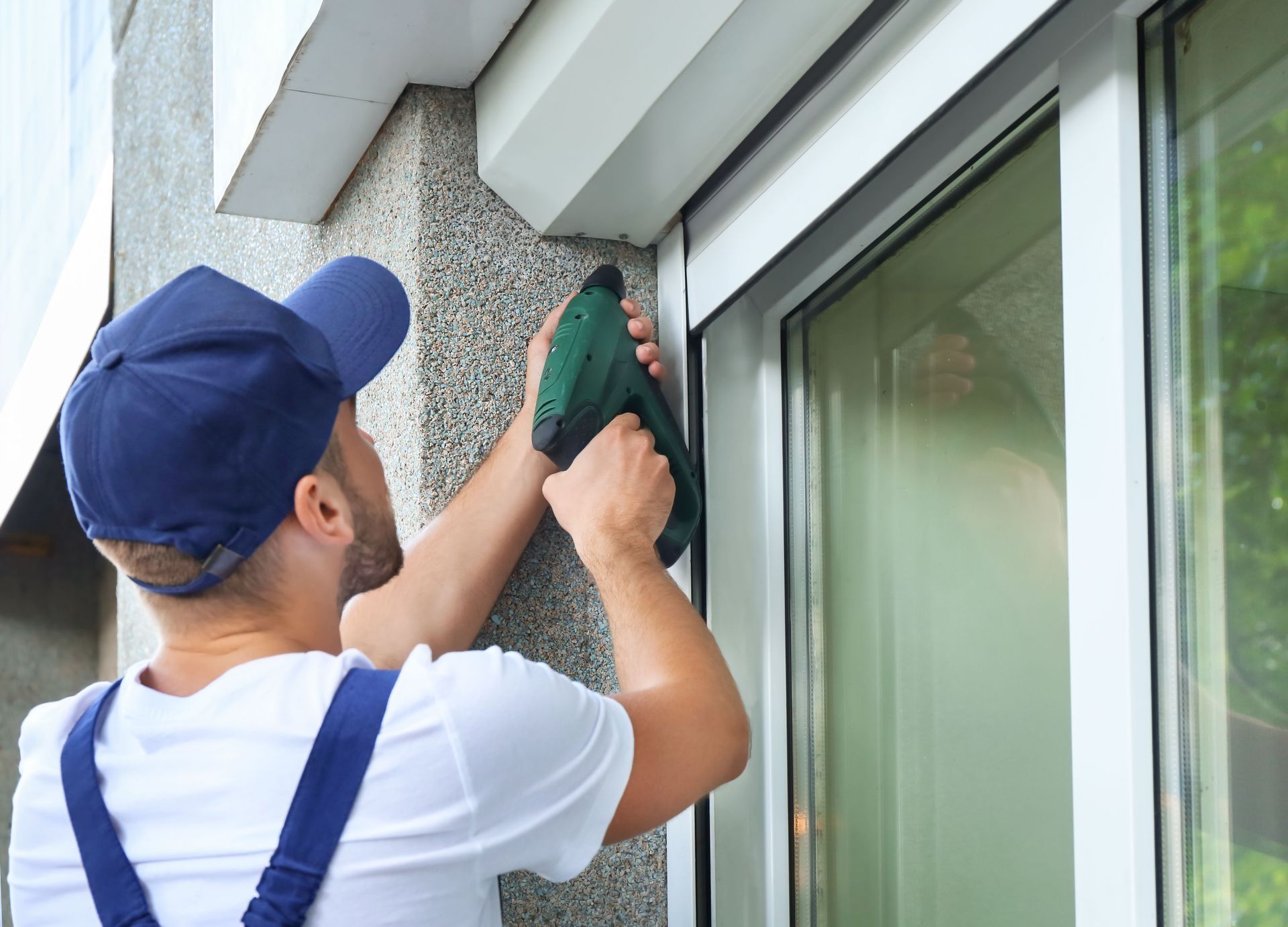
Once the door is positioned, secure the door frame in place. Begin by attaching the hinges to the door and frame, starting with the topmost hinge and ensuring that it is firmly screwed into solid wood. Securing the frame involves driving screws through the jambs and into the studs in the wall; each side should be securely fastened to support the door's weight. Finally, fill any gaps with insulating foam or caulk to prevent drafts and improve energy efficiency. Properly securing the door frame ensures stability and reduces the chance of warping or movement.
Finish and Weatherproof for Lasting Performance
The final touches to a door install can significantly enhance the appearance and functionality of a new door. Sealing and weatherproofing are essential to ensure that the door performs well under various weather conditions. Applying a high-quality sealant allows the door to resist moisture, wind, and temperature fluctuations, which can compromise its integrity. Additionally, many homeowners choose to paint or stain the door, which adds aesthetic value and provides an additional layer of protection. Selecting the right finish can complement the home’s exterior, creating a cohesive and attractive look.
Decorative elements such as decorative glass, hardware, and embellishments can further enhance the door's appearance. These options not only add visual interest but can also enhance the door's functionality, such as through privacy glass or retrofitting for the latest smart lock technologies. Adding trim and molding around the door frame can give a finished and polished look, concealing any gaps and providing a solid visual profile. Trim and molding come in various designs and styles, allowing for customization to suit the home’s architecture and style.
A successful door install combines careful preparation, precise measurements, and proper securing techniques to ensure lasting performance. From selecting the right materials to sealing and finishing the final details, each stage plays a vital role in maximizing durability, efficiency, and visual appeal. Taking the time to complete every step correctly helps prevent common issues such as drafts, misalignment, and premature wear. With the right knowledge and attention to detail, homeowners can enhance their property’s security, energy efficiency, and overall value. By applying these essential principles, any door install project can become a worthwhile investment in the comfort and longevity of your home. Reach out to Divine Doors & Trim, Inc to learn more about our services today.

Share On: