
What Window Installation Contractors Do to Prevent Drafty Winters
Winter brings colder temperatures and higher heating costs, making drafty windows a major concern for homeowners. Proper window installation is crucial for maintaining energy efficiency and comfort. Professional window installation contractors use proven strategies to prevent drafts, ensuring homes remain warm while lowering energy bills. Understanding these practices helps homeowners make informed decisions and prepare for winter.
Windows account for a significant portion of energy loss. According to Energy.gov, heat gain and heat loss through windows are responsible for 25%–30% of residential heating and cooling energy use, making window replacement a key factor in improving home energy efficiency. Contractors focus on selecting materials, applying proper installation techniques, and offering maintenance to keep windows performing optimally. This approach reduces drafts and contributes to long-term energy savings.
Investing in professional installation also protects your home from potential damage. Poorly installed windows can allow moisture infiltration, leading to rot, mold, and structural issues. Skilled contractors ensure windows are installed to withstand local weather conditions and provide lasting performance. This level of care provides peace of mind, knowing your home is both comfortable and protected throughout the cold months.
1. Assessment and Planning
Inspecting Existing Windows
Window installation contractors begin by inspecting existing windows for structural issues such as rotting frames, cracked panes, or worn caulking. Identifying problems ensures effective solutions that enhance insulation and prevent drafts. These assessments often include checking the surrounding walls and sill areas for hidden damage that may compromise the new installation. Addressing underlying issues early reduces the risk of future leaks or inefficiencies.
Understanding Building Codes
Contractors navigate local building codes and industry standards to guarantee safety, durability, and performance. Compliance ensures installations meet legal and efficiency requirements, protecting homeowners’ investments. Staying current with regulations also helps contractors recommend energy-efficient options that may qualify for incentives or rebates.
Determining Thermal Performance Needs
Thermal performance is a critical factor when selecting new windows. Contractors evaluate the home's exposure to sun, wind, and seasonal temperature variations to recommend the most effective products. In some cases, they may suggest specialized coatings, gas-filled panes, or multi-layered glass to optimize insulation and reduce heat loss. These customized solutions provide maximum comfort while lowering energy bills.
Material Selection
Choosing the right materials affects both durability and insulation. Options like vinyl, wood, aluminum, and fiberglass each offer unique benefits. Professional contractors consider factors such as climate, maintenance, and aesthetic preferences to select materials that provide the best long-term performance. Proper material choice reduces the likelihood of warping, corrosion, or other wear that could compromise the window's efficiency.
Project Timeline Development
Efficient planning minimizes household disruption. Contractors coordinate materials, labor, permits, and contingencies, ensuring timely completion and smooth installation processes. Clear timelines allow homeowners to plan around construction and ensure minimal interruption to daily routines.
2. Installation Techniques
Ensuring Proper Fit
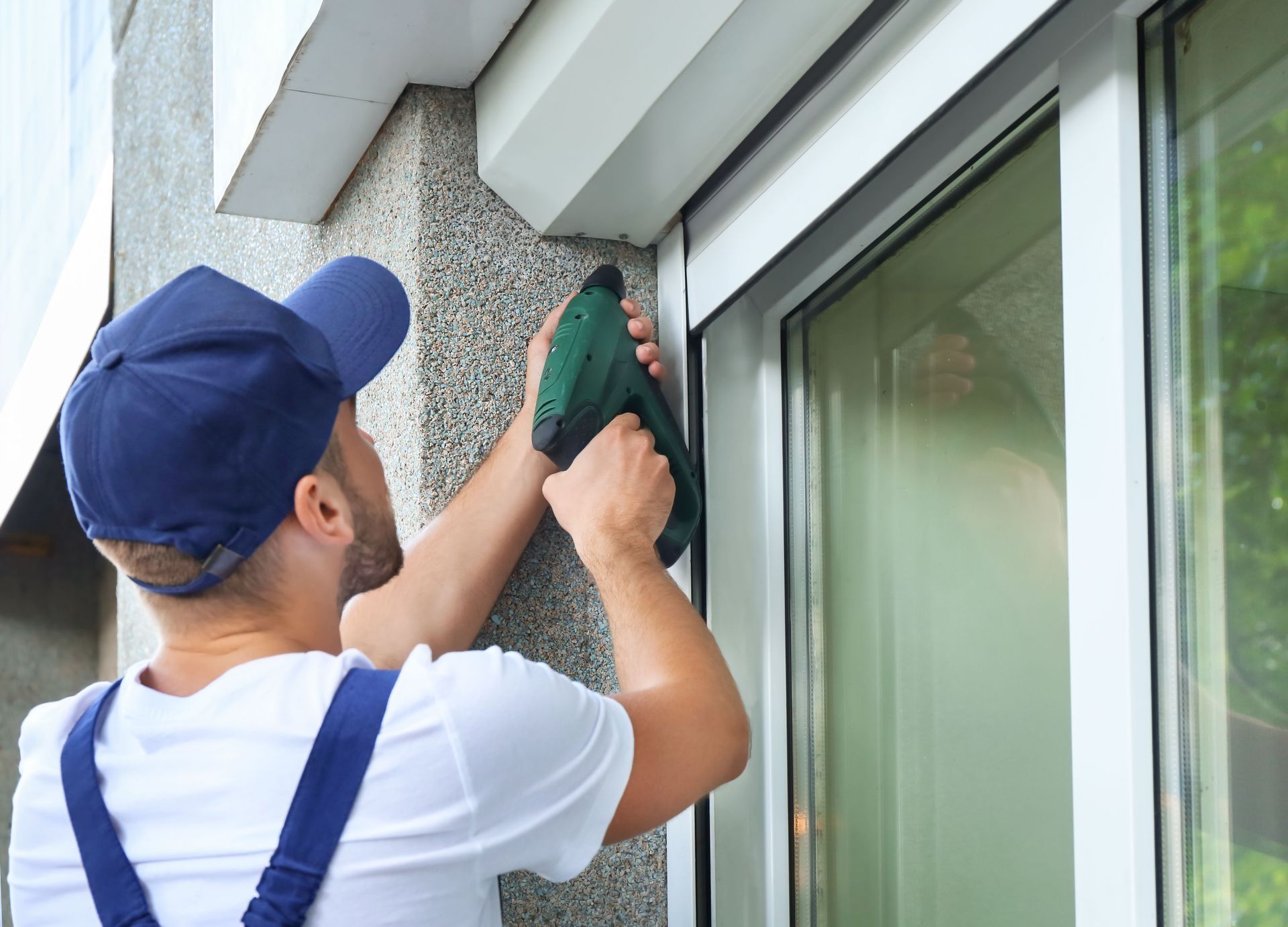
Accurate measurements and precise installation eliminate gaps that cause drafts. Even slight misalignment can reduce energy efficiency, making careful fitting essential. Contractors also consider settling of the house and thermal expansion to maintain a long-lasting seal.
Use of High-Quality Sealants
Durable, flexible sealants prevent air and water infiltration. Properly applied, they maintain performance despite seasonal expansion and contraction. Choosing sealants suitable for extreme temperatures ensures performance throughout the winter months.
Advanced Flashing Systems
Flashing directs water away from windows, preventing moisture intrusion that could lead to drafts and structural damage. Properly installed flashing ensures long-term protection and prevents costly repairs.
Applying Insulating Foam
Foam fills gaps between the window frame and rough opening, improving insulation and reducing energy transfer. Closed-cell foams resist moisture while sealing effectively, enhancing both thermal performance and structural stability.
Weatherproofing Techniques
Weatherproofing combines sealants, foam, weather stripping, and vapor barriers to prevent drafts and maintain energy efficiency. Layered techniques address potential weak points proactively and create a reliable defense against harsh winter conditions.
3. Quality Control and Testing
Air Tightness Tests
Contractors use specialized equipment to measure air leakage, ensuring windows meet performance standards and provide a barrier against drafts and heat loss. Any identified issues are corrected immediately.
Visual Inspections
Inspecting alignment, sealant application, and material conditions identifies flaws early. Immediate correction prevents future energy inefficiency or damage, ensuring a long-lasting, draft-free installation.
Performance Testing
Tests for wind resistance, water infiltration, and thermal efficiency confirm that materials and installation meet expected benchmarks. Performance testing helps homeowners understand the durability and energy benefits of their new windows.
Adjustment and Alignment Checks
Final adjustments ensure windows operate smoothly and seal properly, eliminating unwanted gaps and maximizing energy efficiency. Proper alignment also reduces wear on moving parts, prolonging window lifespan.
Client Walkthroughs
Walkthroughs with homeowners explain features and benefits, reinforcing quality and building trust in the installation process. Contractors often provide advice on optimal window operation and care to maintain energy efficiency.
4. Post-Installation Services
Regular Maintenance Plans
Contractors provide maintenance to keep windows performing optimally. Cleaning, lubrication, and minor adjustments prevent small issues from escalating and help sustain comfort and energy savings.
Warranty and Service Guarantees
Warranties cover defects in materials and workmanship, reassuring homeowners. Service guarantees ensure windows continue to meet promised performance standards.
Seasonal Inspections
Inspections during seasonal transitions detect worn sealants or weather stripping, keeping windows ready for changing weather and maintaining energy efficiency.
Repair Services
Contractors provide repair services for issues like misalignment, water intrusion, or damage to ensure windows continue to operate efficiently and remain draft-free.
Customer Support Channels
Reliable support provides homeowners with guidance on maintenance, adjustments, and energy-saving practices. This ongoing connection helps maximize the lifespan and efficiency of the windows.
5. Energy Efficiency Improvements
Low-E Glass Technology
Low-emissivity glass reflects heat while allowing light to pass through, reducing heat loss in winter. Contractors recommend it for its energy-saving benefits and improved comfort.
Multi-Pane Windows with Gas Fills
Double- and triple-pane windows with argon or krypton gas provide superior insulation, keeping drafts out and enhancing energy efficiency. These options are especially effective in colder climates.
Thermal Breaks in Window Frames
Thermal breaks reduce heat transfer through window frames, keeping interiors warmer and lowering energy costs.
Smart Window Technologies
Smart windows adjust tint or insulation levels in response to temperature changes, offering dynamic control over comfort and energy use. Contractors integrate these systems for optimal efficiency and convenience.
6. Addressing Common Draft Causes
Rotting Frames
Contractors replace or reinforce rotting frames to restore structural integrity and thermal efficiency, preventing recurring heat loss issues.
Replacing Faulty Weather Stripping
Old or damaged weather stripping is replaced to form a tight seal, improving comfort and energy savings throughout the year.
Reinforcing Window Caulking
Maintaining proper caulking prevents air leaks and moisture infiltration, protecting both the home's thermal envelope and the frames themselves.
Correcting Installation Errors
Professionals identify and fix mistakes from prior installations, ensuring proper fit, sealing, and alignment, which eliminates drafts and preserves energy efficiency.
Experienced window installation contractors provide a comprehensive approach to draft-free, energy-efficient homes. From careful assessment and material selection to precision installation, quality control, and post-installation support, contractors ensure that windows perform optimally. Modern technologies like Low-E glass, multi-pane units, and smart systems further enhance energy efficiency. Properly installed and maintained windows reduce heating costs, improve comfort, and provide lasting value, making professional installation a wise investment for any homeowner preparing for winter. For more information, contact Divine Doors & Trim, Inc.

Share On: